
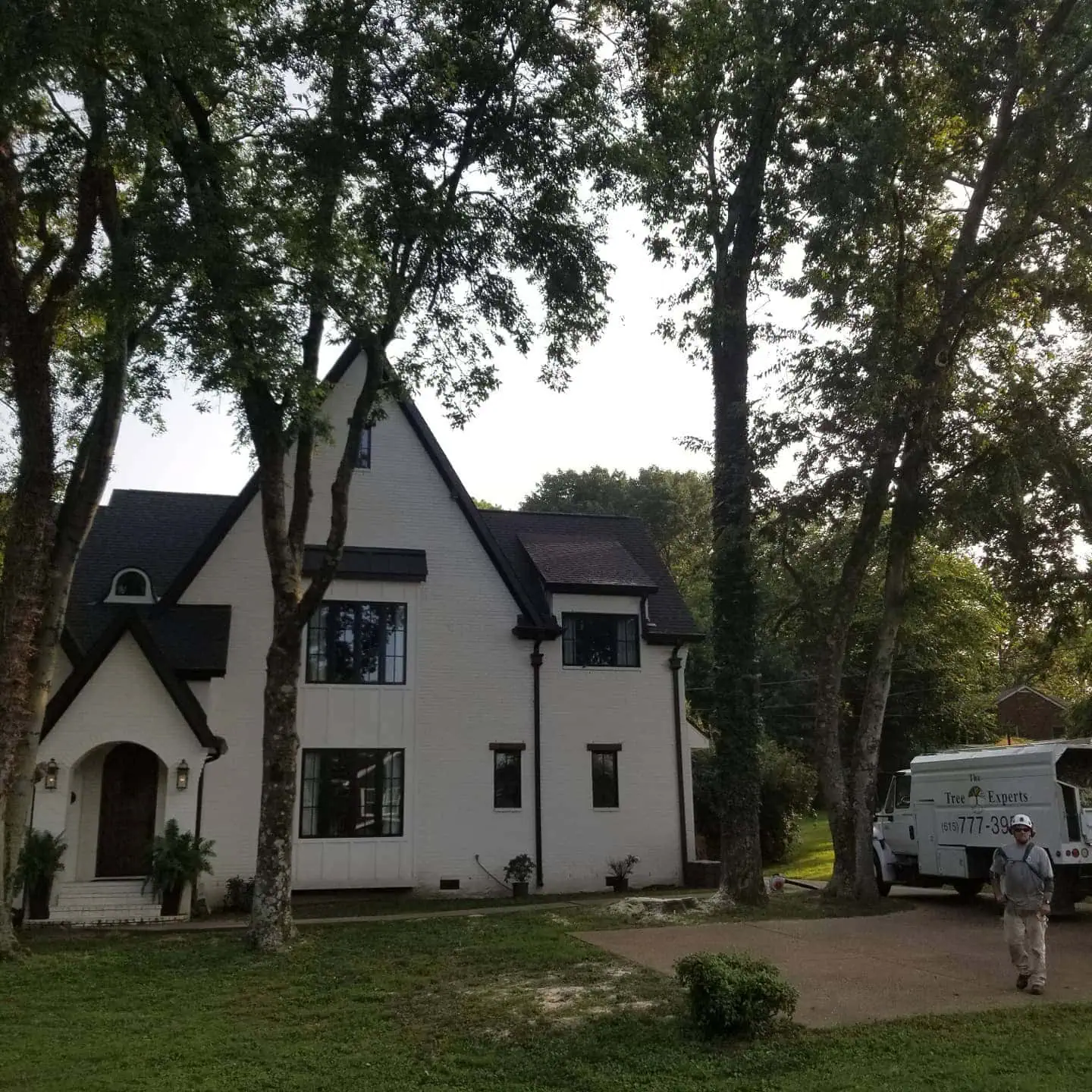
Look, understanding how to tell if a tree is dead is crucial for any property owner. A dying or dead tree doesn’t just make your yard look bad; it also brings serious safety risks. Catching problems early and stepping in can often save a struggling tree or, if it’s too late, stop dangerous situations from happening. This guide from The Tree Experts of Tennessee will help you spot the warning signs and show you what to do next.
Why Catching Tree Problems Early Matters
Spotting those first signs of stress in a tree can honestly be the difference between it bouncing back or just giving up for good. Trees, like us, signal their health status through all sorts of visual clues. Ignoring these warnings? That can lead to bigger headaches, like diseases spreading to your other plants, the tree becoming unstable, or even property damage from falling limbs or, worse, the whole tree coming down. Knowing how to tell if a tree is dead is vital for planning landscape changes or heading off potential dangers. Trust me, being proactive helps your green investments thrive for years.
And on top of that, stepping in quickly helps keep your property’s natural balance. Healthy trees mean better air, welcome shade, and a home for local wildlife. A dead tree, though? That can turn into a haven for pests or a source of nasty fungal diseases that then jump to your healthy specimens. Just checking your trees regularly, especially after rough weather, is such a simple yet effective habit. It lets you deal with issues when they’re small, often saving you from needing expensive, major tree removal services later on.
Signs Your Tree Might Be Dying
You’ll see a few clear signs that a tree is struggling or on its way out. Spotting these common indicators is the first step in understanding how to tell if a tree is dead. One of the easiest to notice is a change in its leaves. They might look discolored, droopy, or smaller than usual, even when it’s not autumn. If a deciduous tree still has its leaves in winter, or a big chunk of its canopy doesn’t sprout new growth in spring, that’s a big red flag. For evergreens, watch out for browning needles or a sudden drop of healthy foliage.
Another really important clue is changes in the bark. A healthy tree’s bark should be smooth, or at least have its usual texture, without huge cracks, peeling, or a lot of fungus. Deep vertical cracks, bare spots where bark is missing, or big cankers (those sunken, discolored patches) often point to disease, bug problems, or serious stress. Plus, if you see mushrooms or conks growing on the trunk or at the tree’s base, that often means decay is happening inside, suggesting the tree’s health is in real trouble. These are often signs that you may need to know how to tell if a tree is dead.
The Scratch Test: Your Go-To Method
When you’re trying to figure out if a tree is alive, especially if its leaves are sparse or gone, the scratch test is super helpful for figuring out how to tell if a tree is dead. This easy trick lets you check the cambium layer, which is the living tissue right under the outer bark. To do it, just gently scrape a tiny bit of outer bark from a twig or small branch. Use a pocket knife or even your thumbnail. Pick a spot that’s not too thick or too thin; usually, a branch about the size of a pencil works best.
If your tree is alive and doing well, you’ll see a bright green layer once you scratch the bark. That green means the cambium is active, and that’s essential for moving nutrients and water around. But if the tree is dead, the layer under the bark will be brown, brittle, and dry. That means the cambium isn’t working anymore, and that branch (or the whole tree) has stopped its vital functions. I’d recommend doing this test on a few different branches across the tree, because one dead branch doesn’t always mean the whole tree is doomed. For a complete picture of your tree’s health, this test is a fundamental step, really.
Tree Cankers and Fungi: What They Mean
Tree cankers and fungal growths are pretty big clues if you’re trying to figure out if a tree is dead or really sick. You’ll spot cankers as these localized, sunken, and often discolored patches right on the bark. They pop up because things like fungi or bacteria have attacked the tree’s living tissue. These lesions can actually choke off a branch or even the main trunk, cutting off the water and nutrients to everything above them. That can lead to a branch dying off, or the whole tree slowly giving up the ghost. Honestly, if you see a bunch of cankers, or a really big one on the main trunk, that’s a serious problem.
Fungi, especially those shelf-like growths we call conks, or even just mushrooms growing right on the trunk or at its base, are another worrying sign. These are basically the visible parts of wood-decaying fungi, which means the fungus is actively munching away at the tree’s insides. The external growth might seem small, but the internal damage can be massive, really messing with the tree’s structure. If you see these fungi, it’s a huge hint that your tree is in serious decline and could be dangerous. Regular checks can help you catch these problems early. But once they’re widespread, figuring out if a tree is dead becomes a much more urgent question. [INTERNAL_LINK: tree removal cost guide | /tree-removal-cost]
When Pests Attack: A Tree’s Downfall
Pest infestations can really stress a tree out and even kill it, making it tough to tell if a tree is dead sometimes. Insects like borers, the emerald ash borer, or various beetles bore into the bark and the cambium layer. This messes up the tree’s ability to move water and nutrients. You’ll often see signs of these pests: small holes in the bark, sawdust-like frass piling up at the base, or sap oozing from where they got in. A heavy infestation can quickly weaken a tree, leading to branches dying and eventually the whole tree kicking the bucket.
Plus, some pests bring diseases with them, or they just make the tree more likely to get secondary infections. For example, bark beetle infestations often come with fungal diseases that stain the wood blue, speeding up the tree’s decline even more. If you notice a lot of insect activity, especially if it’s combined with other signs of stress, you really should call a professional. They can help identify the exact pest, figure out how bad the damage is, and decide if the tree can be saved or if it’s safer to just remove it. For more details on tree pests and diseases, I’d suggest checking out resources from the International Society of Arboriculture.
So, You Think Your Tree Might Be Dead?
If you suspect a tree is dead or seriously compromised, the first thing to do is take a breath. Don’t try to fix it yourself right away, especially with big trees; that can be super dangerous. Instead, gather as much info as you can about what’s going on. Snap some photos of any issues you see: cankers, weird fungi, odd leaf colors, or pest evidence. Note down when you first saw these things and if they’ve gotten worse. All this detailed info will be a huge help when you talk to a professional.
Your next big step? Call a certified arborist or a good tree care service, like The Tree Experts of Tennessee. Our pros can accurately diagnose your tree’s condition, pinpoint why it’s stressed or dying, and suggest the best way forward. That might mean a specific treatment plan for diseases or pests, special pruning to get rid of sick limbs, or, if the tree’s beyond help, safe and efficient tree removal. An arborist’s know-how isn’t just about the tree’s health; it’s about keeping your property and family safe. Understanding how to tell if a tree is dead is just the start; professional guidance makes sure you manage it right. It’s smart to get an expert evaluation quickly, especially with all the potential risks dead trees can pose.
Why Root Health is Everything for Trees
The health of a tree’s root system is incredibly important, yet it often gets completely overlooked when we’re trying to figure out if a tree is dead. Roots anchor the tree, sure, but they also pull water and nutrients from the soil. Any damage or stress down there can seriously mess with the tree’s overall health. Common problems include root rot from bad drainage or too much watering, compacted soil from heavy equipment or foot traffic, and physical damage from construction or digging. You might not even see signs of root problems above ground right away.
However, if you notice less vigorous growth, smaller leaves, leaves dropping too early, or a general decline in the canopy, those can all point to issues underground. Visible signs like decay where the trunk meets the ground, or fungal growth around the base, also scream ‘root problems.’ If you suspect something’s up with the roots, a professional arborist can do a thorough check, maybe even using air spading or soil tests, to diagnose the issue. Fixing root health might involve improving soil drainage, aerating compacted soil, or applying specific treatments. A healthy root system is the bedrock for a thriving tree, and if it’s compromised, well, that’s a clear signal you need to dig deeper. [INTERNAL_LINK: plant health care | /plant-health-care]
Getting a Pro to Check Your Tree’s Risk
When you’re trying to figure out how to tell if a tree is dead and if it poses a threat, honestly, you can’t beat a professional tree risk assessment. This specialized service means a qualified arborist will do a really deep dive into the tree’s structural integrity and overall health. They’re looking for things like big decay spots, weak points where branches connect, widespread cankers, or even signs that the roots are failing. The assessment also considers outside stuff, like how close the tree is to your house, power lines, or busy areas, all of which can change how risky it is.
During an assessment, the arborist will use their expertise to pinpoint where things might go wrong and guess how likely it is for a branch, or even the whole tree, to fall. They’ll also think about what could get hit if it did. Based on what they find, they’ll give you some suggestions. That could be anything from specific pruning to make things safer, cabling or bracing to support weak limbs, or, if it’s just too risky, taking the whole tree down. This expert opinion really gives you peace of mind and makes sure you’re doing what’s needed to keep your property safe.
Keeping Trees Healthy: What You Can Do
Taking care of your trees ahead of time is hands down the best way to prevent them from getting stressed and, ultimately, from having to wonder how to tell if a tree is dead. One of the most important things is making sure they get enough water. You’ve got to ensure your trees, especially young ones or those you’ve just planted, drink up, particularly when it’s dry. Watering deeply but less often usually works better than shallow, frequent watering, because it encourages roots to grow deeper. Putting mulch around the base of the tree also helps the soil stay moist, keeps the temperature steady, and stops weeds from taking over.
Proper pruning is another really important preventative step. Having a certified arborist regularly and appropriately prune your trees gets rid of dead, diseased, or weak branches, making the tree stronger and healthier overall. It also gets more air moving through the canopy, which cuts down on the chance of fungal diseases. Plus, you need to protect your trees from physical harm. Try not to cut roots if you’re doing landscaping or construction, and be careful with equipment that could damage the bark. Keeping the soil healthy with fertilizer and avoiding compacting it also makes a huge difference in how resilient your tree is. Investing in these preventative practices will keep your trees thriving for years.
When You Need a Tree Gone Now: Emergency Removal
Honestly, knowing how to tell if a tree is dead often leads to thinking about emergency tree removal. Dead or really sick trees, especially ones with a lot of decay, big cracks, or that are leaning dangerously, are an immediate and serious problem. High winds, heavy snow, or even just really wet soil can make these trees fall without any warning. That can mean huge damage to your property, power going out, or even serious injuries. In these kinds of situations, getting professional emergency tree removal done quickly isn’t just a service, it’s absolutely essential for safety.
We at The Tree Experts of Tennessee are totally set up to handle emergency tree removal safely and quickly. Our experienced team uses special gear and methods that work to get rid of dangerous trees with the least amount of fuss on your property. Safety is our number one priority through the whole thing, from our first look to cleaning up all the debris. Don’t wait for a storm to knock down a dead tree and create a huge mess. If you’ve got a tree on your property that looks dead or dangerous, call us right away for an emergency check and removal plan.
Got Questions? We’ve Got Answers!
What are the first hints a tree’s not doing so well?
The very first signs often include leaves changing color too early, wilting, or dropping, even when it’s not the right season for it. You might also notice that new growth doesn’t appear in the spring, or that sap is oozing out of the trunk or branches in a strange way.
Can a stressed tree bounce back, or is it always a goner?
Honestly, a stressed tree can absolutely recover, especially if you catch the problem early. Things like a little drought, not enough nutrients, or some minor bug issues are often fixable. But, if the stress is really bad or goes on for too long, that’s when you can see damage that just can’t be undone.
How does the scratch test show if a tree’s still alive?
The scratch test means you gently scrape off a tiny bit of bark from a twig or branch. If it’s green and damp underneath, the tree’s got life in it. If it’s brown and dry, well, that part of the tree is dead. It’s a quick way to tell if a tree is dead, especially when you’re not sure.
What if I see mushrooms growing right on my tree’s trunk?
Mushrooms or shelf-like fungi on a tree’s trunk are usually a red flag; they often signal that the wood inside is decaying. That means there’s likely some serious structural damage going on. You really should call a certified arborist right away. They can give you a professional opinion on how bad the damage is and what risks it poses.
Is it ever okay to remove a dead tree myself?
Look, taking down a dead tree, especially a big one, is incredibly risky. You absolutely shouldn’t try it unless you’ve got professional training, the right gear, and insurance. Dead trees are just plain unpredictable; they can fall in ways you’d never expect, putting lives and property in serious danger. Always, always get a professional tree service involved.
How often should I get my trees checked out by a pro?
Most experts recommend having a certified arborist check your trees every 1-3 years. Or, you know, right after a big storm, or if you notice anything weird going on with a tree’s health or how it looks. Regular check-ups are key to keeping your trees happy and healthy.
Wrapping Up
Knowing how to tell if a tree is dead? That’s a pretty critical skill for any homeowner, truly. It helps keep your yard looking good and, more importantly, keeps everyone safe. When you can spot the signs of distress early like odd-colored leaves, bark problems, cankers, fungi, or even bug infestations, you can actually do something about it. Whether it’s just a quick scratch test or really paying attention to the roots, catching things early is always your best bet. If you’re ever in doubt, just call The Tree Experts of Tennessee. Our crew knows their stuff, making sure your trees get the best care, whether that’s keeping them healthy or safely taking them down when needed. It’s all about giving you peace of mind.